MALDI-TOF mass spectrometry plate preparation
Suitable for Shimadzu and Bruker microbial identification systems
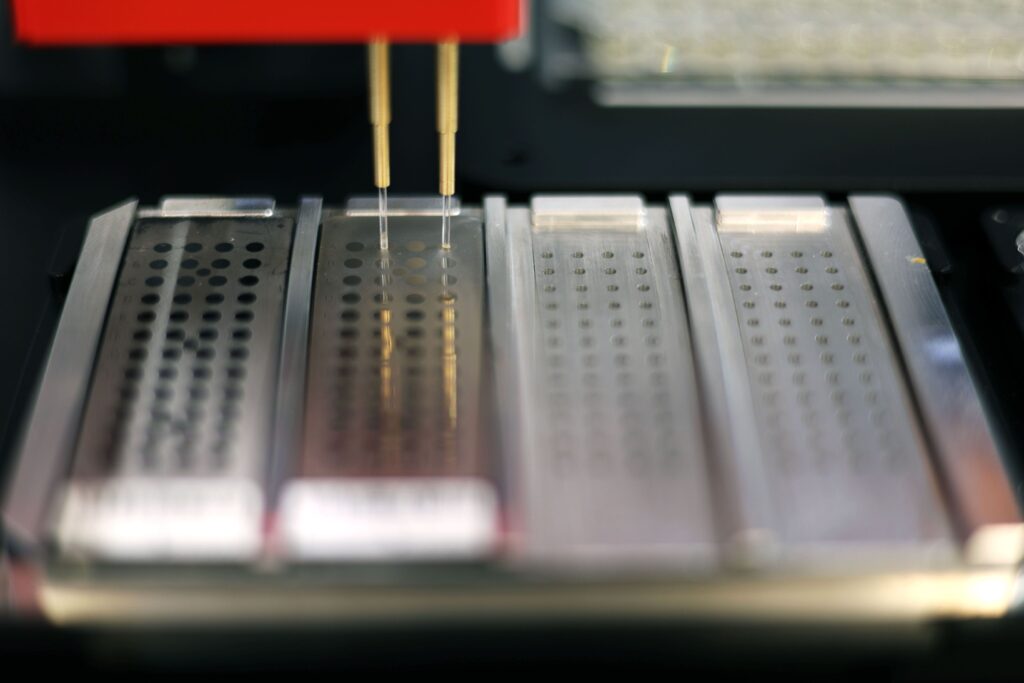
What is the PIXL MALDI-TOF plate prep feature?
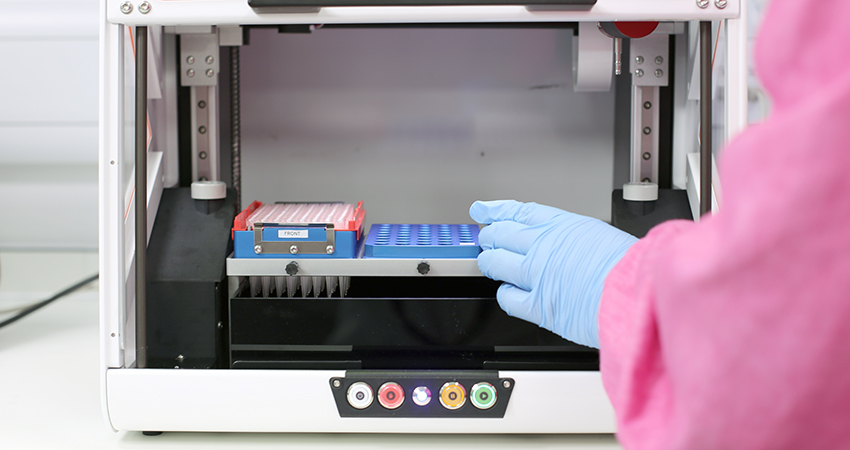
The PIXL MALDI-TOF plate prep feature harnesses the precision picking technology and user-friendly interface of PIXL for loading MALDI-TOF target plates as part of microbial identification workflows.
What is MALDI-TOF ?
Matrix-Assisted Laser Desorption/Ionization–Time Of Flight
MALDI-TOF mass spectrometry (MS) has revolutionised microbial identification in the life sciences, offering a powerful and versatile tool for bacterial and fungal identification based on mass spectroscopy.
Its mainstream use has been greatly enhanced by the introduction of purpose-built microbial identification solutions, such as those offered by Bruker and Shimadzu.
Where appropriate, MALDI-TOF provides a more cost-effective alternative to molecular techniques, such as 16s rRNA gene sequencing and whole genome sequencing (WGS), while offering enhanced specificity and efficiency when compared to laborious traditional biochemical methods.
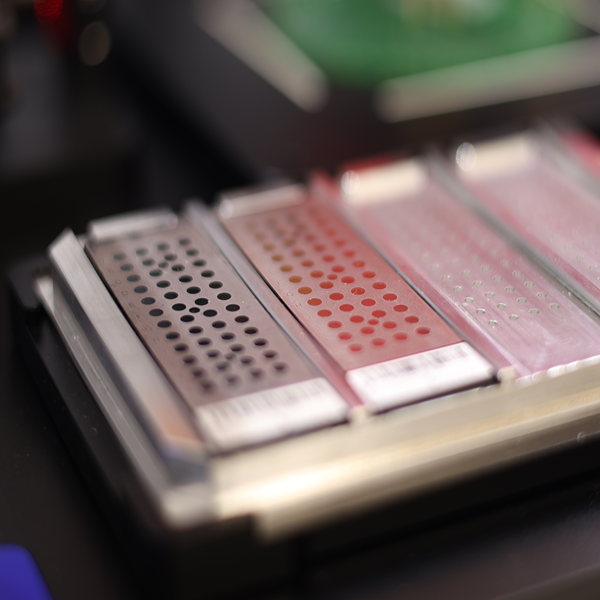
MALDI-TOF applications
MALDI-TOF has fast become an indispensable tool in the life sciences, providing a time and cost efficient alternative to overcome
the limitations of traditional microbial identification approaches.
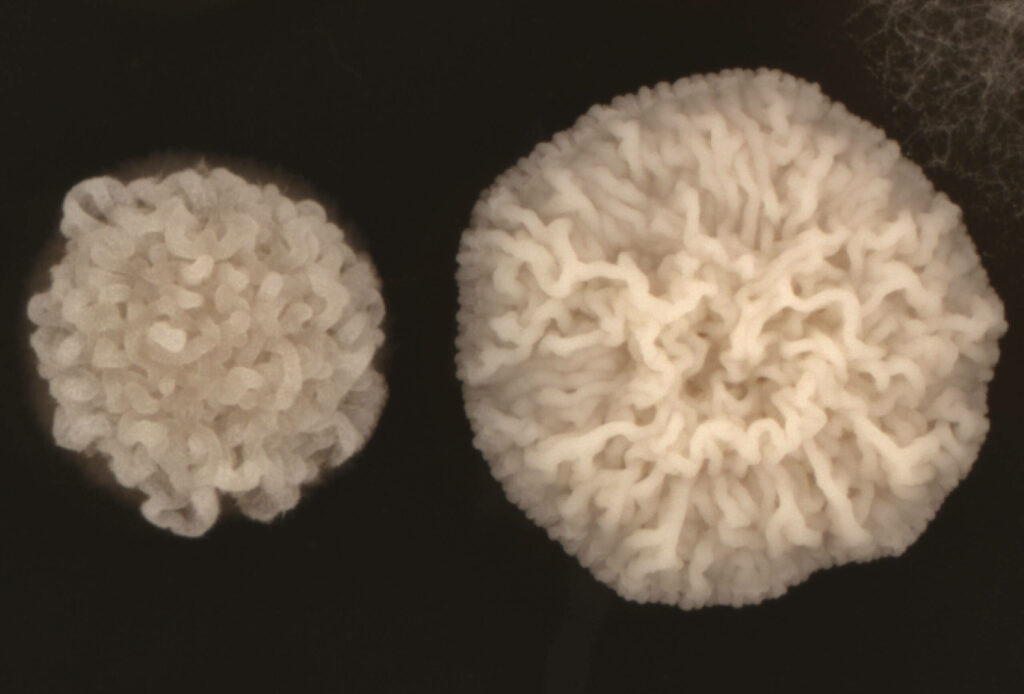
Microbiota profiling
By analysing the overall protein ‘fingerprint’ of a sample, MALDI-TOF can be used to track changes in the types of microorganisms present, over time or in response to environmental factors.
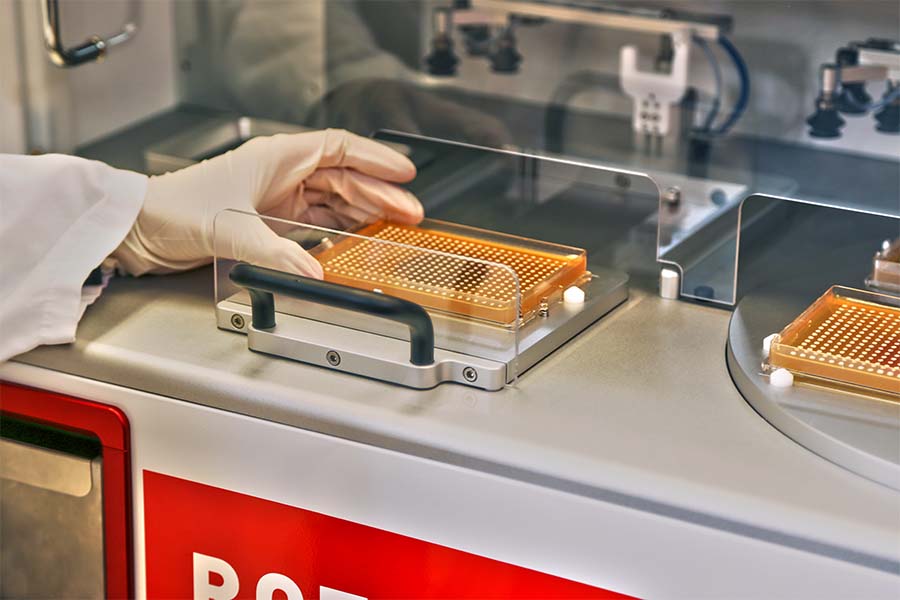
Functional metagenomics
By looking at the protein and metabolite profiles of microbial communities, MALDI-TOF can be used to screen for novel enzymes or other industrially significant biomolecules.
High throughput culturomics
When characterising the cultivable portion of a microbial community, MALDI-TOF can be used to rapidly identify isolates and reveal previously overlooked microorganisms.
Achieving reproducible MALDI-TOF results
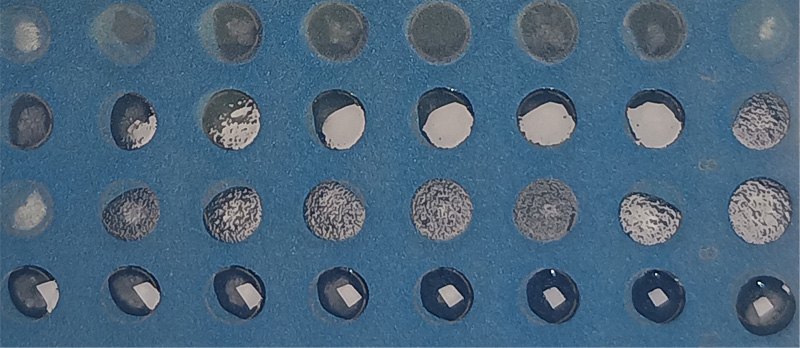
Successful microbial identification by MALDI-TOF MS relies heavily on accurate plate preparation and colony handling. In many labs, this step is completed manually, introducing a significant source of human error, especially where this work is routine.
To ensure consistency, target slides must be loaded with even amounts of microbial colony material, while avoiding potential contamination from external sources. Similarly sample degradation through over-exposure to stress conditions prior to running the analysis must be carefully controlled.
Working with anaerobic chambers
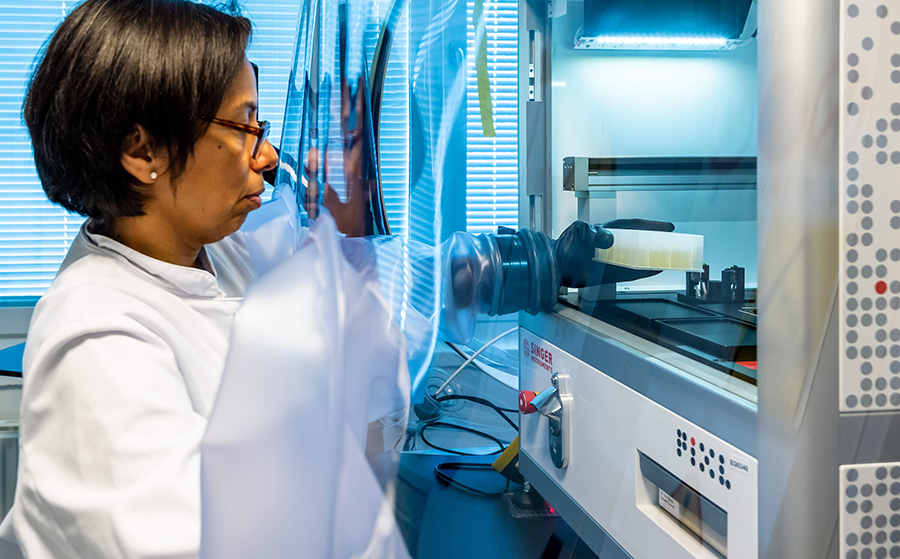
For example in gut microbiome research, chambers can add a further layer of complexity. Performing plate loading steps through a pair of gloves, while having to pass equipment via an airlock can slow down an already difficult process.
Collectively these challenges can make plate prep for MALDI-TOF microbial identification time consuming and error prone, particularly for larger datasets. This can lead to potential misidentifications and undermine data integrity.
How to automate MALDI-TOF plate prep
Many labs are now introducing automation to MALDI-TOF workflows to help to improve reproducibility and minimise technical errors, including colony pickers and liquid handlers.
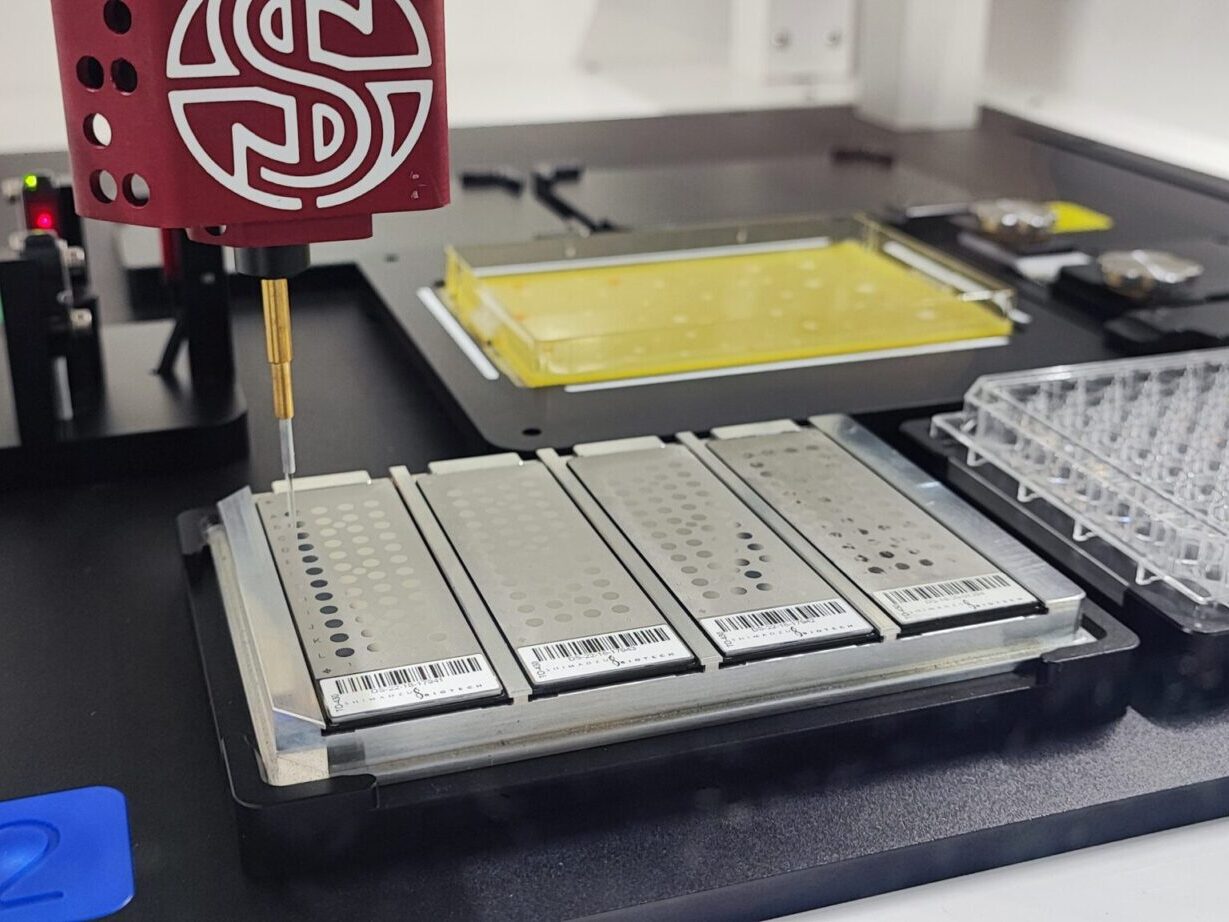
The PIXL MALDI-TOF feature specifically automates the initial colony transfer step in microbial identification workflows, to increase the reproducibility and walkaway time for lab workers. It can be adapted for use with both the Bruker and Shimadzu microbial identification systems.
PIXL comes with several additional benefits for automating MALDI-TOF:
- Picking efficiency >95% across multiple organism types.
- Suitable for use in variety of anaerobic chambers.
Found out more in “How to Pick a Picker”
Workflow
Step 1: Colony transfer
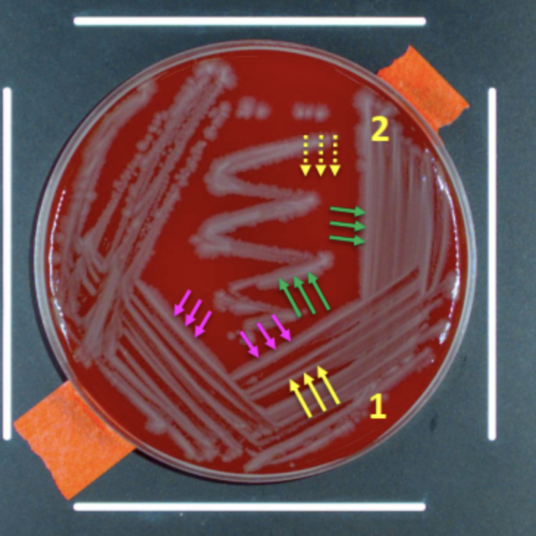
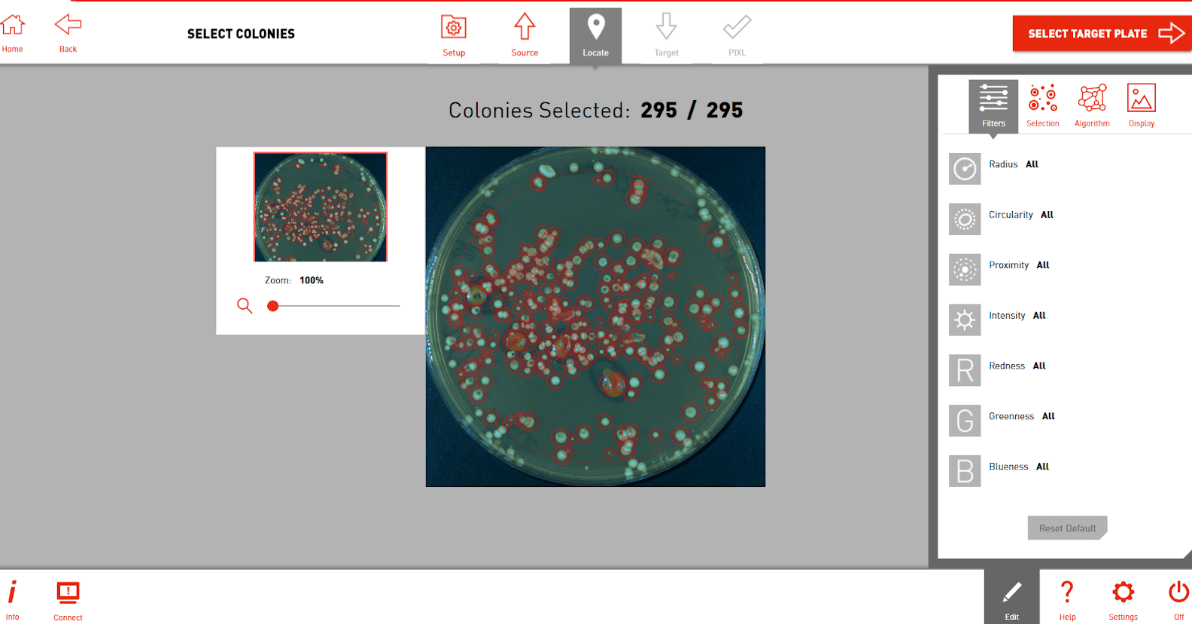
- Automatically detect and filter colonies of interest with AI on PIXL Max based on morphological features, such as shape, size, colour, circularity or fluorescence.
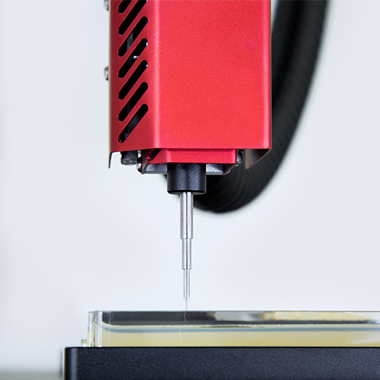
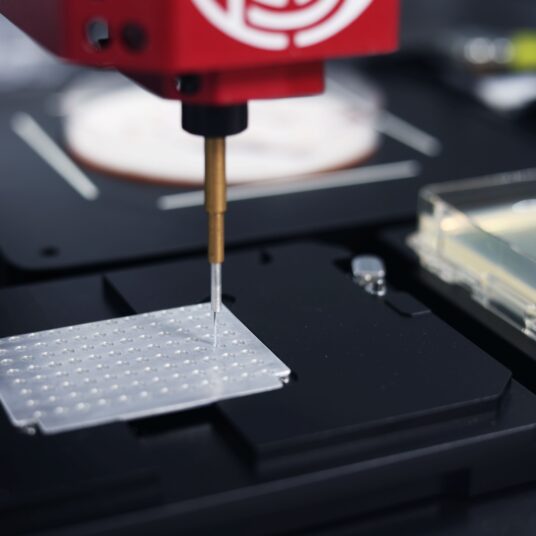
- Reliably transfer samples to the MALDI-TOF target plate, two colonies at a time, using the PIXL Series’ proprietary agar surface detection technology and optimisable dry mixing mode.
Workflow
Step 2: Formic acid and matrix handling
For those keen to implement end-to-end MALDI-TOF prep, Singer Instruments is developing additional protocols aimed at automating the formic acid and matrix transfer steps:
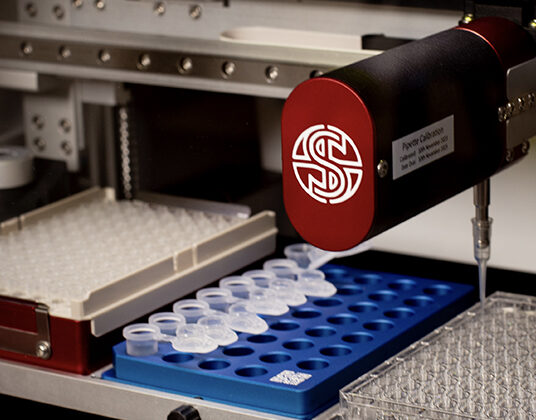
- Our benchtop pipetting robot, SQWERTY has been designed as a no code solution for automating routine pipetting tasks.
- Although not a liquid handler, PIXL is capable of transferring small amounts of fluid based on surface tension, which may be appropriate for some applications.
Read this article for a step-by-step protocol detailing the process