High-Throughput Screening for Antifungals
Fast tracking the battle against antifungal resistance with ROTOR+
How the Usher Lab fight against antifungal resistance
In the arms race against increasingly resistant fungal pathogens, the Usher lab at the MRC Centre for Medical Mycology, University of Exeter, found a viable solution: accelerating their own progress. They have one core mission: identify novel targets to combat antifungal resistance using innovative combinatorial therapies.
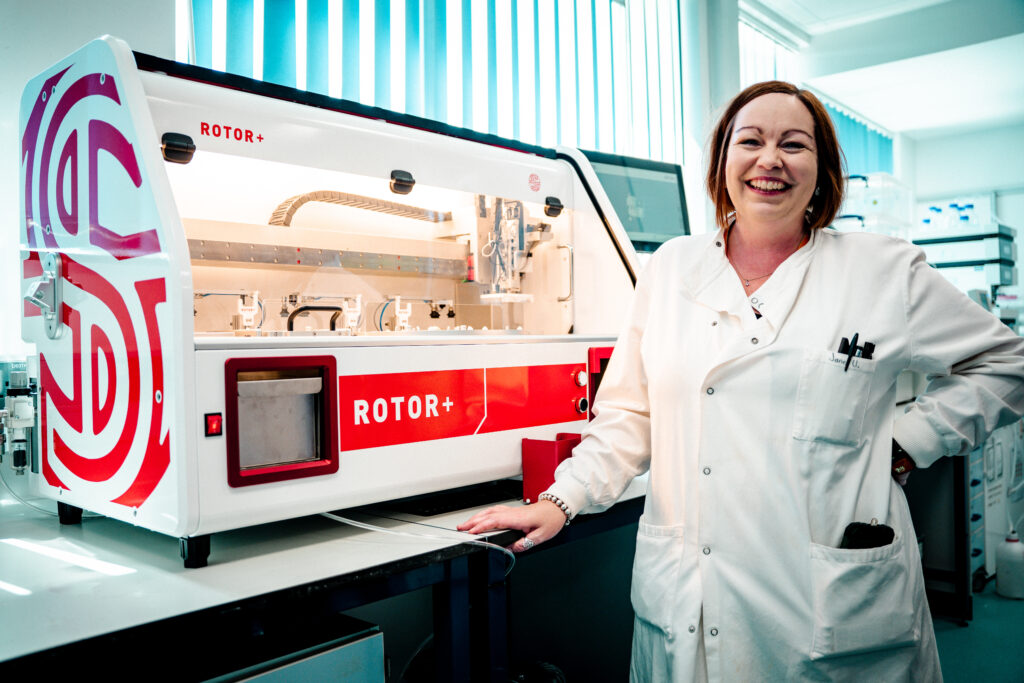
Dr Jane Usher, a Senior Lecturer in Medical Mycology, is an expert in Yeast Genomics. Usher’s lab at the University of Exeter focuses on finding novel genetic vulnerabilities in fungi, translating molecular microbiology into clinical and agricultural solutions.
The Mission towards “One Health”
A key part of this work involves understanding the “One Health” context of resistance; a strategy that recognizes the link between agricultural and clinical antifungal resistance. Catrin Williams, a PhD researcher in the Usher lab, explores how fungi adapt to stress and drug exposure in both clinical and environmental settings. By focusing on opportunistic pathogens like Candida glabrata (1), which are most dangerous to immunocompromised patients, the lab aims to stay one step ahead. When novel antifungal drug targets are found in pathogenic fungi, novel (potentially life-saving) individual or combinatorial drug therapies can be developed.
Finding the needle in the genomic haystack
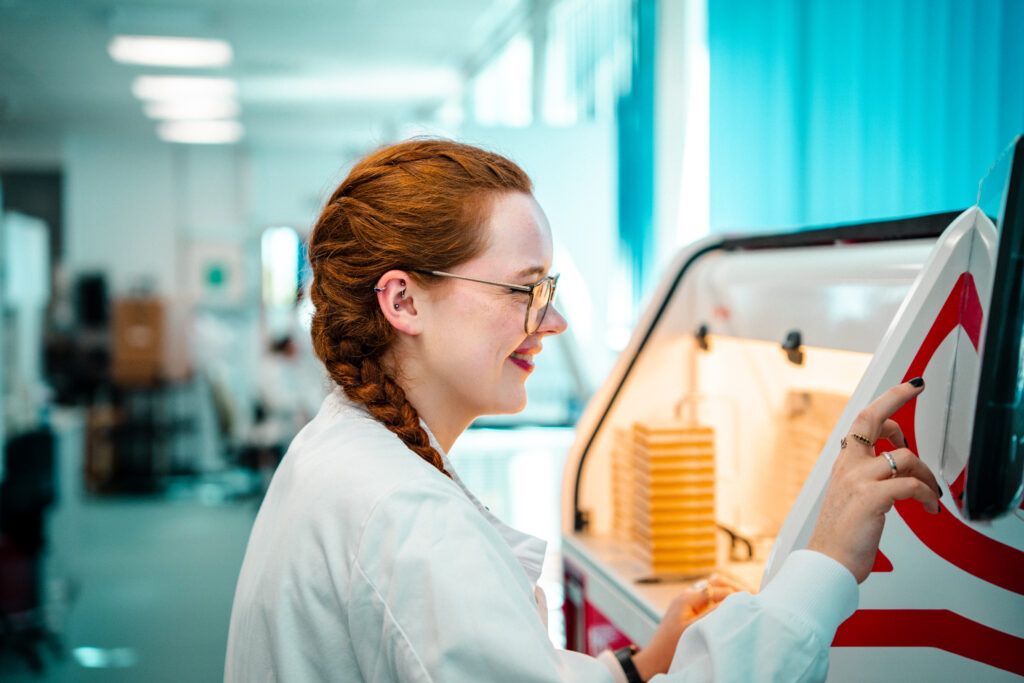
The difficulty with identifying drug targets is the vastness of the fungal genome. Finding the “Achilles heel” of a yeast strain without harming normal human cells (which are genetically quite similar) is as difficult as finding a needle in a haystack.
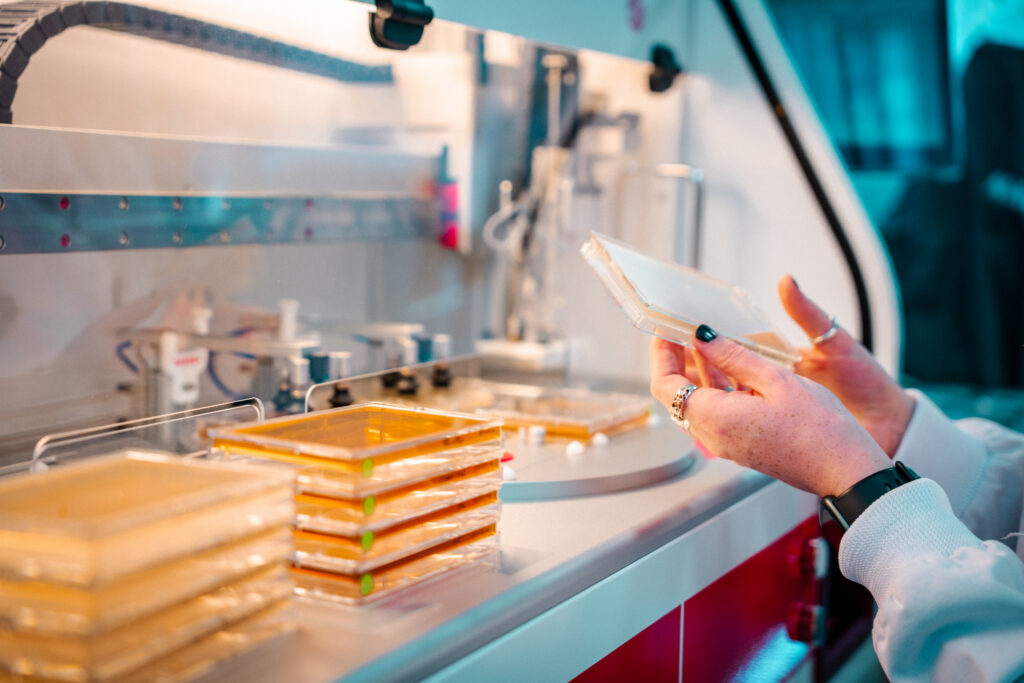
Before automation, the lab hand-picked arrays to run their tests on each fungal species. This process was as tedious as it was slow and they soon realised they needed a quicker solution. Over 10 years ago, they took the leap and integrated ROTOR HDA into their workflow. Now with an upgraded ROTOR+, Usher’s lab can perform high-throughput screening of genome wide gene deletion libraries to identify new gene targets and novel combinatorial therapies.
“We can screen an entire genome in under an hour rather than in days if we were to do it by hand. We can also use [1536] density rather than having to do 96 well densities.”

Catrin C. Williams | PhD student
The Usher Lab, University of Exeter
Revolutionising the Usher lab’s output
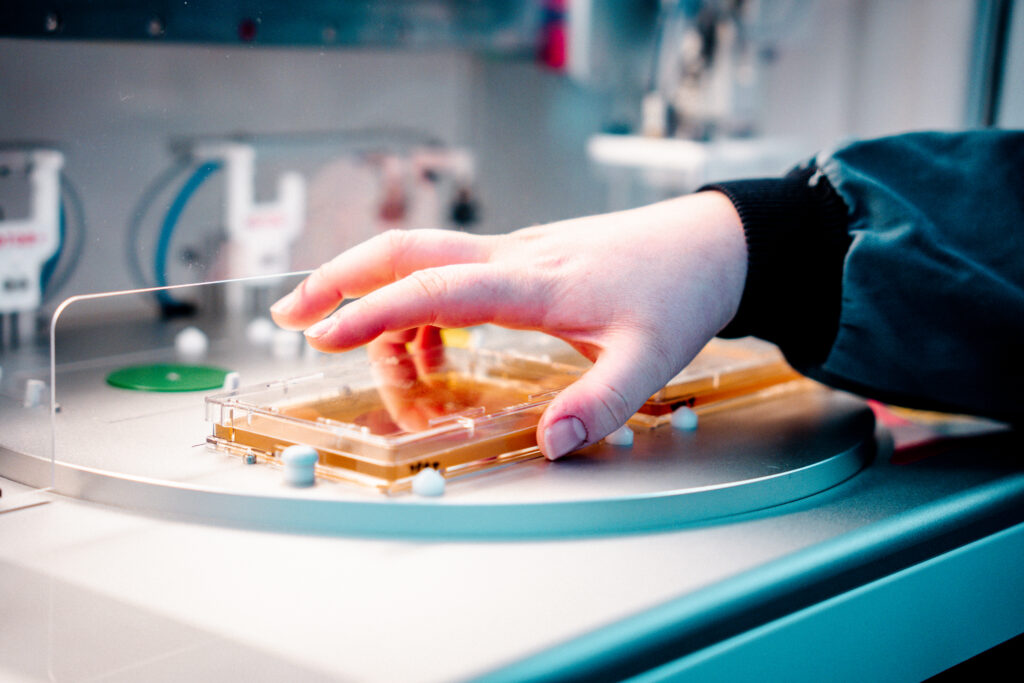
Using the ROTOR+ shifted the lab’s output potential into a new gear. It allows the team to move beyond the limitations of manually creating arrays of hundreds of fungal strains and focus on high-level data analysis. This efficiency is vital according to the lab’s recent publication, where they highlight the urgent need for new antifungal treatments as resistance outpaces the discovery of novel drugs (2). ROTOR+ is an essential part of the lab’s research because of its diverse capabilities:
“We can go from liquid media to solid, solid to solid… we can do mating, we can do replicating… we’re able to do an entire library of SGA screening… it’s a massive workhorse for the entire lab.”
Catrin C. Williams | PhD student
The Usher Lab, University of Exeter
The Partnership Experience
While the lab’s goals were ambitious, the time required for traditional SGA (synthetic genome array) screening often acted as a bottleneck to quick results. The ROTOR+ changed the timeline for discovery entirely, allowing for rapid-fire analysis that keeps pace with the urgency of medical mycology.
“What would take months of sitting down and looking at each image, we can do in an afternoon.”
Catrin C. Williams | PhD student
The Usher Lab, University of Exeter
Ready to uncover the possibilities of high-throughput screening?
Learn exactly what high-throughput screening is and how it can scale up youre lab
References
- Duggan S, Usher J. 2023 Candida glabrata: A powerhouse of resistance. PLoS Pathog 19:10. https://doi.org/10.1371/journal.ppat.1011651
- Williams CC, Gregory JB & Usher J. 2024. Understanding the clinical and environmental drivers of antifungal resistance in the One Health context. Microbiology 12:10. https://doi.org/10.1099/mic.0.001512

Emmy Hawkins | Scientist
Emmy runs the lab here at Singer Instruments as our Scientist, bringing her background in molecular biology and a reputation for positivity to the heart of our research.
A University of Exeter alumna, she was drawn into the world of research by a deep appreciation for the instruments themselves, tools she finds as beautiful as they are essential to the future of science. She’s just as happy at the lab bench as she is on the beach, and she is a firm believer that research instrumentation is the heart of future discovery.
By overseeing our internal scientific work, Emmy ensures our instruments are as reliable as they are incredible, giving our customers the freedom to focus on the creative side of the science they love.