How High-Throughput Screening of Metal Ion Transporters Could Feed the World
Crop improvement through research on the regulation of metal ion transporters in plants.
Fiona Kemm1 and David Mendoza-Cózatl2
1 Singer Instruments Ltd., 2 University of Missouri
To feed the nations
The world’s population is growing and with it, our demand for food. Plant-based foods have a greater yield per hectare than meats(1) so our reliance on crops as a source is set to increase significantly. However, decades of human activity, like mining, have caused toxic metals, such as cadmium, to leach into the ground water that feeds our crops.
Metal ion transporter proteins are the “gatekeepers” of plant cells, regulating the uptake and distribution of nutrients, including metals like iron, zinc and manganese, throughout the whole organism. While government bodies, like the Environment Agency (UK), currently prevent farming on polluted soil, the rising demand for food means that we may need to find ways to grow crops safely on this land.
“We are running out of places to grow food, and many of the places that could be used for food production are not ideal because they have high levels of toxic non-essential elements. But now, we can develop plants that selectively take up nutrients while leaving toxic metals behind – improving food security and safety.”
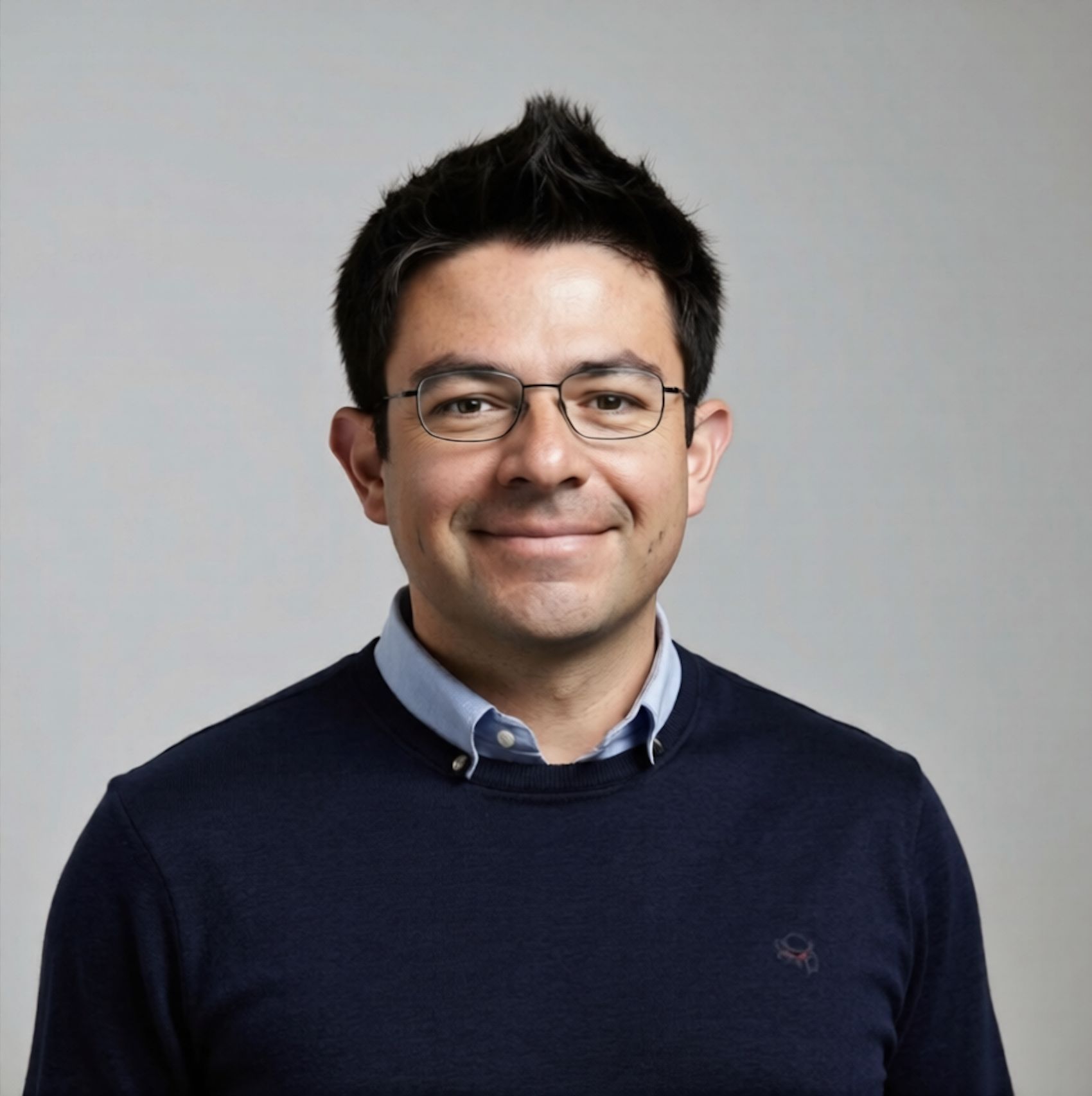
Professor David Mendoza
The Mendoza Lab, University of Missouri
How is metal ion transport controlled in plants?
Transport of metals and other nutrients through the plant is mainly controlled through three primary pathways:
- Soil to root uptake, transporting nutrients into the plant.
- Root to leaf translocation, via the xylem, influencing plant nutrition and health.
- Leaf to seed allocation, via the phloem, influencing human nutrition.
These transport pathways allow the movement and accumulation of nutrients, including essential and non-essential heavy metals, within the plant. Some of the stored metals are vital to human health (e.g. iron, zinc & manganese); others are linked to health conditions (e.g. an excess of cadmium and arsenic). By understanding how to control and manipulate these pathways, the Mendoza lab aims to:
- Improve the nutritional value and safety of plant products for human consumption.
- Allow plants to tolerate and accumulate toxic heavy metals for bioremediation of polluted earth.
The Mendoza lab focuses primarily on the control of metal transport through the phloem. Identifying, isolating and characterising phloem transport proteins using proteomic and genomic techniques.
Model organisms in crop science
A major challenge in crop science is the genetic complexity found in plants. They have developed highly redundant genetic systems, because plants cannot move to escape environmental stressors or nutrient fluctuations. Consequently, deleting a single key regulatory gene often results in no visible phenotype; so researchers frequently must create double, triple, or even quadruple mutants just to observe an effect in plants.
David uses two models before translating his research into crops.
- Saccharomyces cerevisiae (baker’s yeast) is used to screen thousands of genes and proteins to quickly identify interactions of interest.
- David’s next model of choice, Arabidopsis thaliana (thale cress), is the first plant scientists will go to for experimentation in a plant system.
Interactions identified in yeast are then engineered into A. thaliana to confirm the mechanism. Only after successful testing in yeast and Arabidopsis will the Mendoza lab move to edible crops, like rice, for a functional application. With each step introducing more biological complexity and lab time, the Mendoza lab manages an efficient effort : research output ratio.
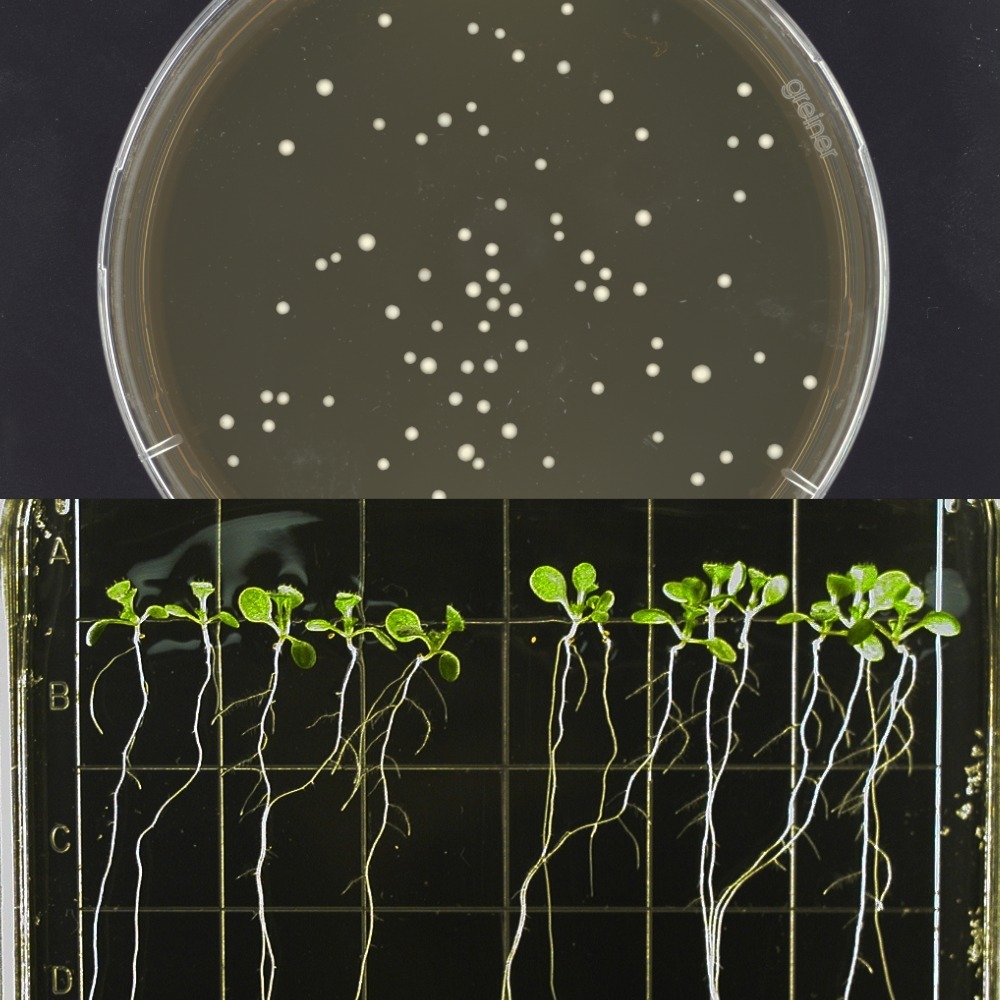
A. thaliana growing on gel (bottom) captured by NASA
High-throughput screening of metal ion transporters
With so many genes and proteins to characterise in yeast, the Mendoza lab integrated ROTOR as a solution for high-throughput screening and reproducibility.
“Manual screens require tremendous effort and introduce a high degree of human error. We greatly value the high density colony stamping of ROTOR. Pinning at 1536 allows the lab to condense libraries from 21x 96 well-plates into just six agar PlusPlates, massively speeding up screens.”
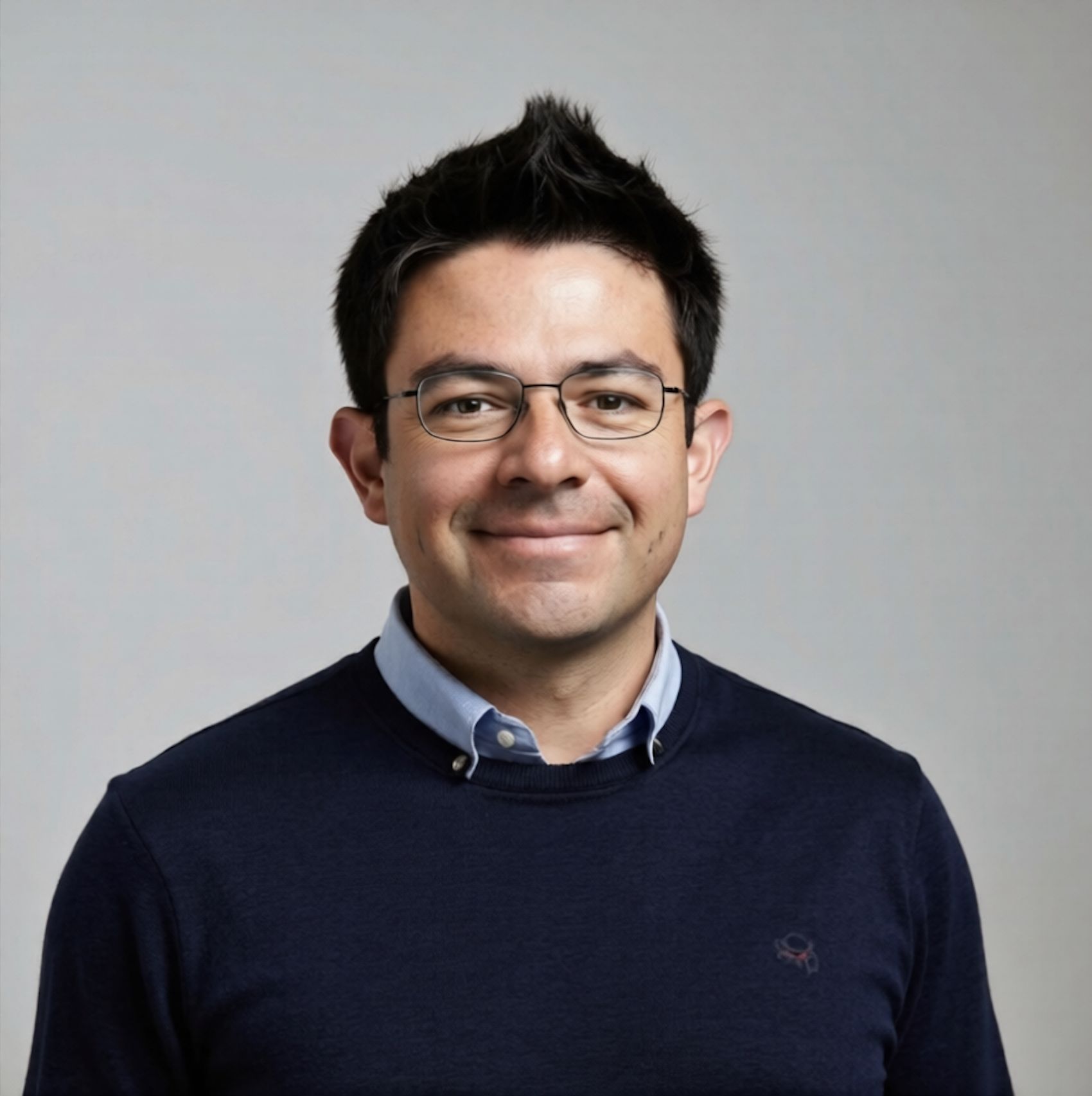
Professor David Mendoza
The Mendoza Lab, University of Missouri
By replacing manual methods with automation, David drastically reduced labour and human error whilst improving on experimental speed and repeatability. David told us “Owning ROTOR introduced the lab to the concept of robotics with greater robustness and reproducible data“. This efficiency inspired David to collaborate with engineers to build other low-cost, high-throughput robots now used globally(2).
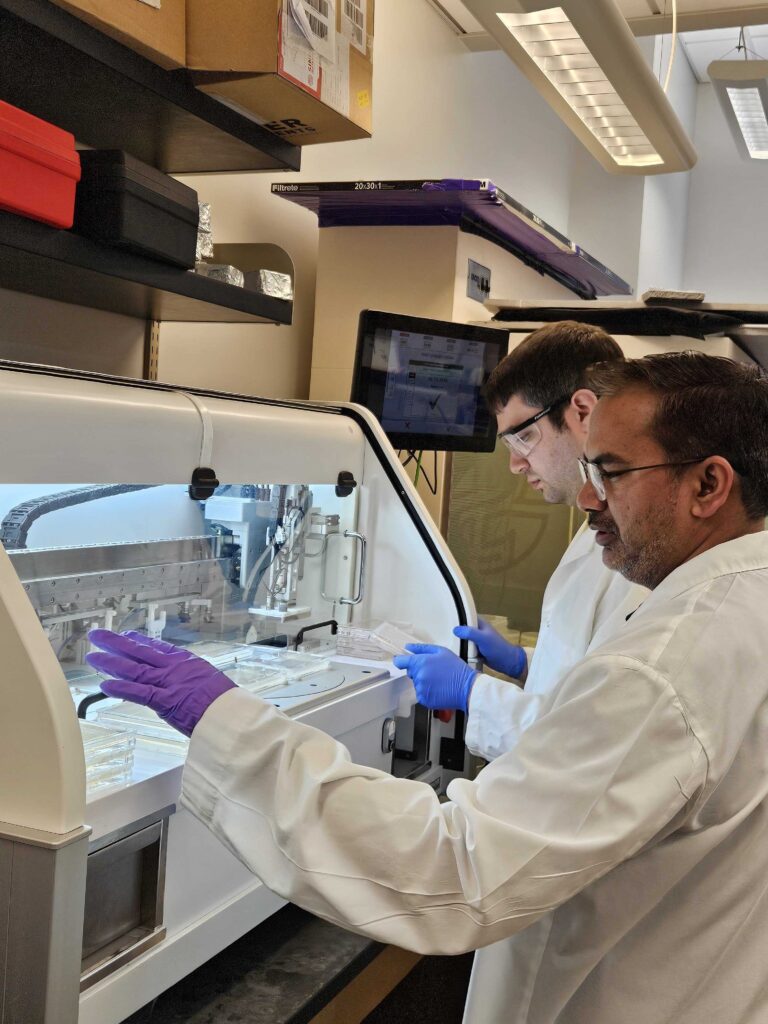
The huge volume of high-density arrays produced forced the Mendoza lab to develop a computer vision image analysis pipeline to extract insights. Today the Mendoza lab pairs ROTOR with computer vision, conducting faster and more expansive genetic screens than ever before.
Investigating metal ion transporters in plants
David uses the ROTOR for three key techniques to understand metal ion transport in plants:
- Yeast one-hybrid (Y1H): to map protein – DNA interactions.
- Yeast two-hybrid (Y2H): to understand how protein complexes affect DNA binding.
- Continuous evolution: selecting mutant strains exhibiting optimised or novel transporter functions.
The Mendoza lab maintains a library of 2000 Arabidopsis transcription factors cloned into S. cerevisiae. ROTOR pins this library in a Y1H assay to test for protein-DNA interactions at promoters responsive to iron and zinc deficiency. They evolved this assay to a Y2H approach, investigating how the addition of other proteins affects the protein-DNA binding(3). David found mixed results; some protein complexes favoured DNA binding whilst others prevented it.
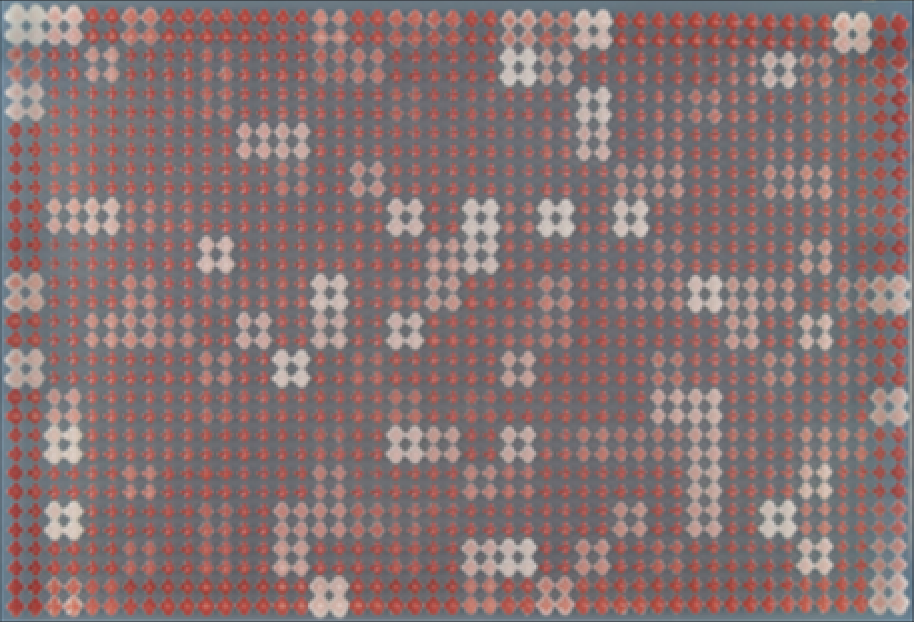
Their continuous evolution approach is a more recent project. David induces random mutations into the yeast library and repeatedly screens them to identify transporter mutations that selectively take up nutrients whilst resisting toxic elements.
“We love ROTOR, it is incredibly robust and has never broken down.“
Professor David Mendoza
The Mendoza Lab, University of Missouri
Translating microbiology into plants
In vitro transcription factor and transporter discoveries, made using the ROTOR, are subsequently validated in vivo. The Mendoza lab knocks out the identified genes in the model plant Arabidopsis to observe the whole-plant phenotype (e.g. changes in size, colour, or responses to iron availability).
Once genes and mechanisms are confirmed in Arabidopsis, the Mendoza lab translates this knowledge into agriculturally relevant crops like rice and corn. These targeted changes could lead to crops engineered for a variety of applications:
- To be highly nutrient efficient, reducing the global reliance on artificial fertilisers.
- Selectively inhibit the transport of toxic metal ions.
- Accumulate toxic metals at a greater rate for bioremediation of the soil.
The future of the Mendoza lab
As David continues to screen transporter networks he is also delving into the use of synthetic microbial communities (microbiomes) to act as biofertilisers. David wants to identify specific bacterial combinations that solubilise iron (for easier uptake) or fight plant pathogens. This would allow plants to acquire nutrients more efficiently, mitigating the need for chemical fertilisers and pesticides.
Looking further ahead, David predicts a major shift into more precise editing of plant genomes. Unlike traditional transgenic approaches, precise editing makes small, targeted, non-transgenic changes that can drastically improve a crop’s nutrient efficiency and stress resilience. The Mendoza lab intends to discover these promoters and regulatory networks, allowing other researchers and technologists to genetically edit crops once the tools mature.
Ready to discover more about essential genes in plants?
Learn how automated screens are untangling the many functions of the chloroplast
ROTOR+ applications
References
- J. Poore, T. Nemecek, Reducing food’s environmental impacts through producers and consumers. Science 360, 987-992 (2018). DOI:10.1126/science.aaq0216
- Ranjita Sinha et al., bHLH35 mediates specificity in plant responses to multiple stress conditions.Sci. Adv.11,eadz3298(2025). DOI:10.1126/sciadv.adz3298
- L.G. Swartz et. al.., OPEN leaf: an open-source cloud-based phenotyping system for tracking dynamic changes at leaf-specific resolution in Arabidopsis. Plant J116, 1600-1616 (2023). DOI:/10.1111/tpj.16449